You may also like
Related posts
-
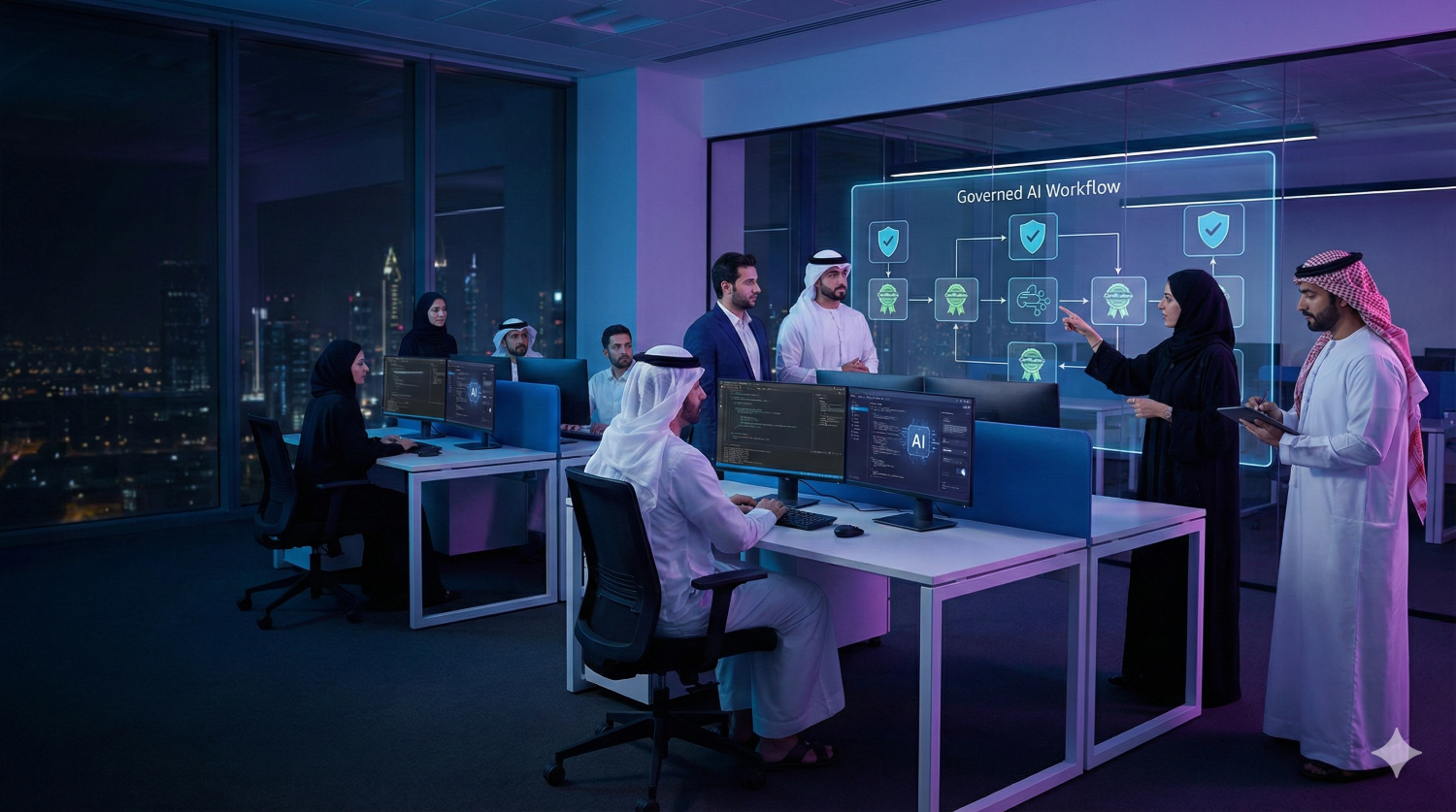 RS-09: Responsible AI for ICT: From Tool Use to Governed Productivity at Scale
An ICT enterprise rolls out AI-assisted workflows across support, engineering, and commercial teams. It adopts an AI risk framework and role‑based certification so usage is safe, validated, and measurable.
-
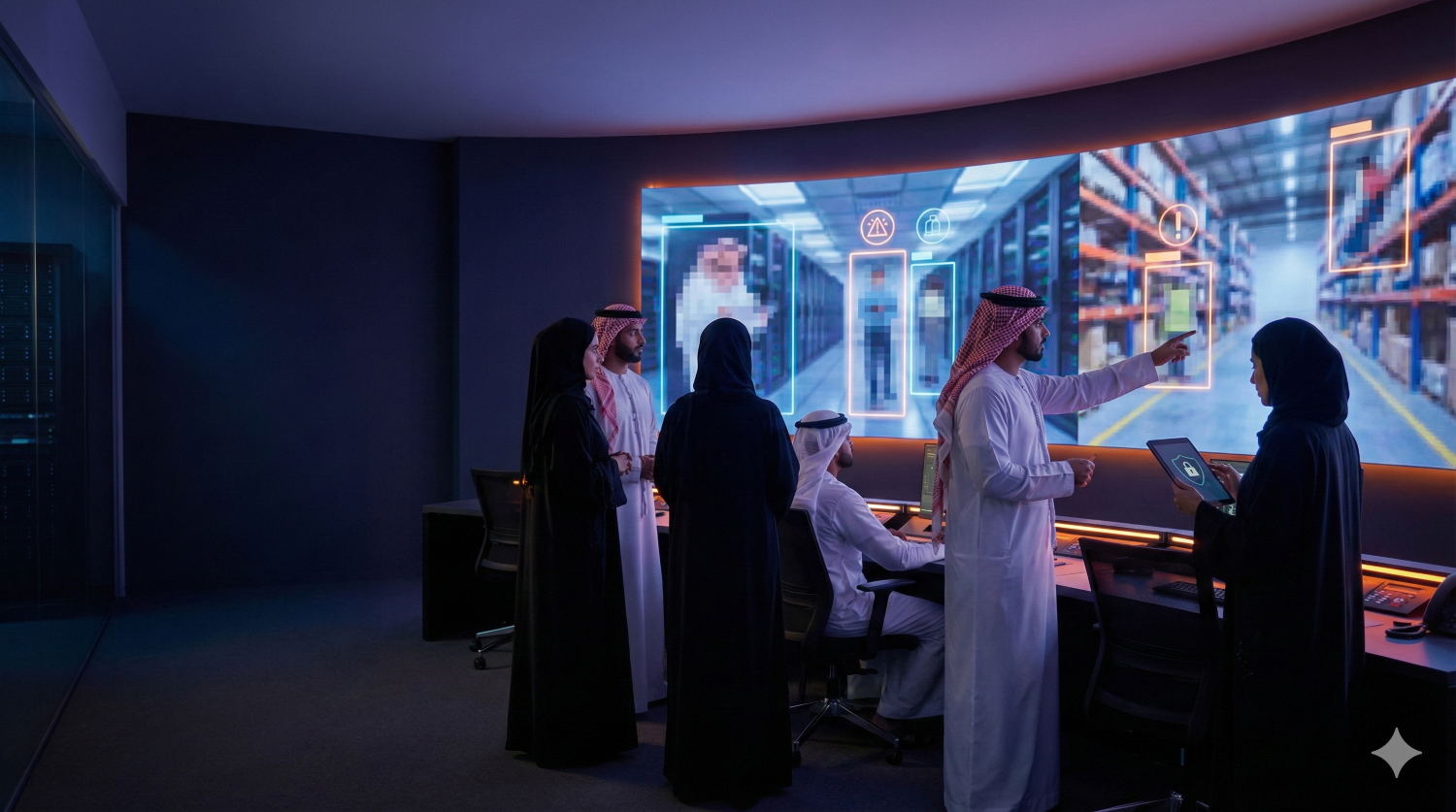 RS-08: Privacy‑Aware Computer Vision for ICT Sites: Safer Operations without Privacy Risk
An operator improves operational visibility across sites (data centres, depots, high‑footfall service locations). Computer vision detects safety and operational events while privacy controls (retention, access, de‑identification) are built in by design.
-
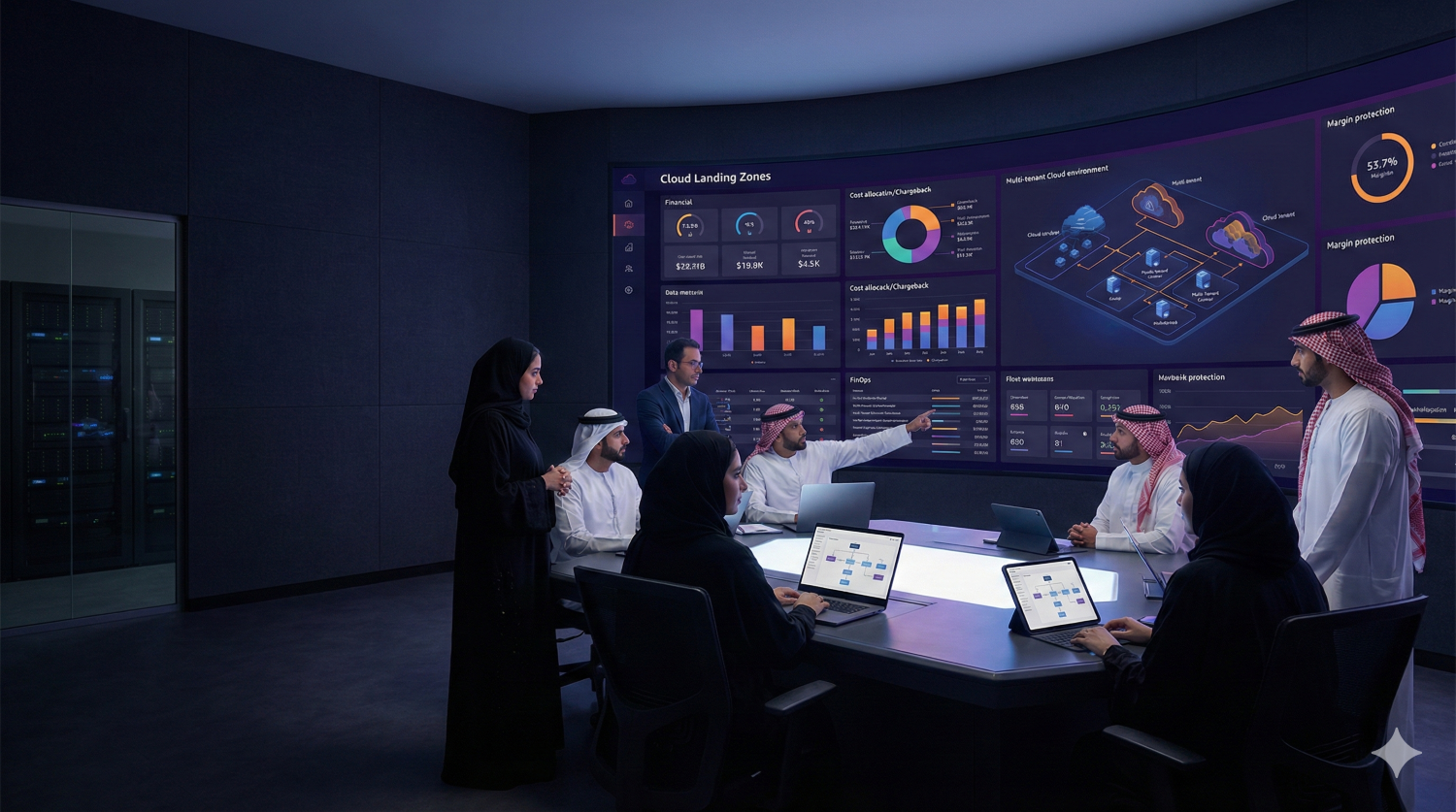 RS-07: Landing Zones + FinOps for Cloud/MSPs: Protect Margin with Showback/Chargeback
A cloud/MSP scales multi‑tenant platforms. Without standard foundations and cost ownership, margin erodes. The provider implements a landing zone and FinOps showback/chargeback, turning consumption into accountable commercial metrics.